Strength Training Through Yoga: Features & Benefits
Discover how structured yoga practice builds functional strength, flexibility, and endurance without heavy equipment or intense gym sessions.
- Progressive bodyweight resistance training
- Improved core stability and functional movement patterns
- Joint-friendly strength development with enhanced mobility
- Mind-body connection for sustainable fitness
Core Features of Strength Yoga
Our approach integrates ancient yoga wisdom with modern strength training principles to deliver measurable results.
Isometric & Dynamic Resistance
Poses like Plank, Warrior, and Chair create sustained muscular tension that builds strength without requiring external weights. Your body becomes the resistance tool.
Functional Movement Patterns
Yoga strengthens muscles in integrated patterns that mirror real-world movements—lifting, pushing, pulling, bending—rather than isolating single muscle groups.
Core Stability & Balance
Every yoga pose activates deep stabiliser muscles in the core, improving posture, preventing injury, and building the foundation for all strength work.
Progressive Overload System
Advance through variations—from beginner poses to advanced arm balances and inversions—ensuring continuous challenge and measurable strength gains over time.
Enhanced Mobility & Flexibility
Build strength through full range of motion. Increased flexibility allows you to access deeper poses and perform movements with greater control and efficiency.
Mind-Body Integration
Mindful practice enhances body awareness and proprioception, creating neural adaptations that improve strength efficiency and sustainable long-term progress.
Why Choose Yoga for Strength Building?
Compare the unique advantages of yoga-based strength training versus conventional approaches.
| Aspect | Yoga Strength Training | Traditional Gym |
|---|---|---|
| Joint Impact | Low-impact, joint-friendly resistance | Higher impact, potential joint stress |
| Equipment Needed | Body weight only or minimal props | Dumbbells, machines, expensive setup |
| Flexibility Gains | Integrated throughout each session | Requires separate stretching routine |
| Mental Focus | Mind-body connection central to practice | Primarily physical training |
| Movement Quality | Full range of motion, functional patterns | Often isolates single muscle groups |
| Accessibility | Can practise anywhere, any age | Requires gym membership and facility access |
Your 4-Week Strength Building Journey
A structured progression to help you build functional strength safely and effectively.
Foundation & Awareness
Learn proper alignment, discover your baseline strength, and establish consistent practice habits. Focus on foundational poses like Mountain, Downward Dog, and Cat-Cow.
- 3–4 sessions per week
- 30–40 minutes each
- Beginner-friendly poses
Building Endurance
Introduce longer holds and moderate intensity. Begin holding Plank, Warrior poses, and Chair pose for extended periods to build muscular endurance and stability.
- Increase hold times gradually
- Add flowing sequences
- Notice improved stability
Strength Progression
Introduce challenging variations. Progress to one-legged Plank, higher Warrior holds, and introductory arm balances like Crow Pose. Feel real strength gains emerging.
- Advanced pose variations
- Strength plateau breaking
- Increased body awareness
Mastery & Sustainability
Consolidate gains, refine technique, and establish a sustainable long-term practice. Assess progress and plan your next phase for continued growth.
- Performance evaluation
- Technique refinement
- Plan next progression
Essential Strength-Building Poses
Master these foundational and intermediate poses to develop functional strength across your entire body.
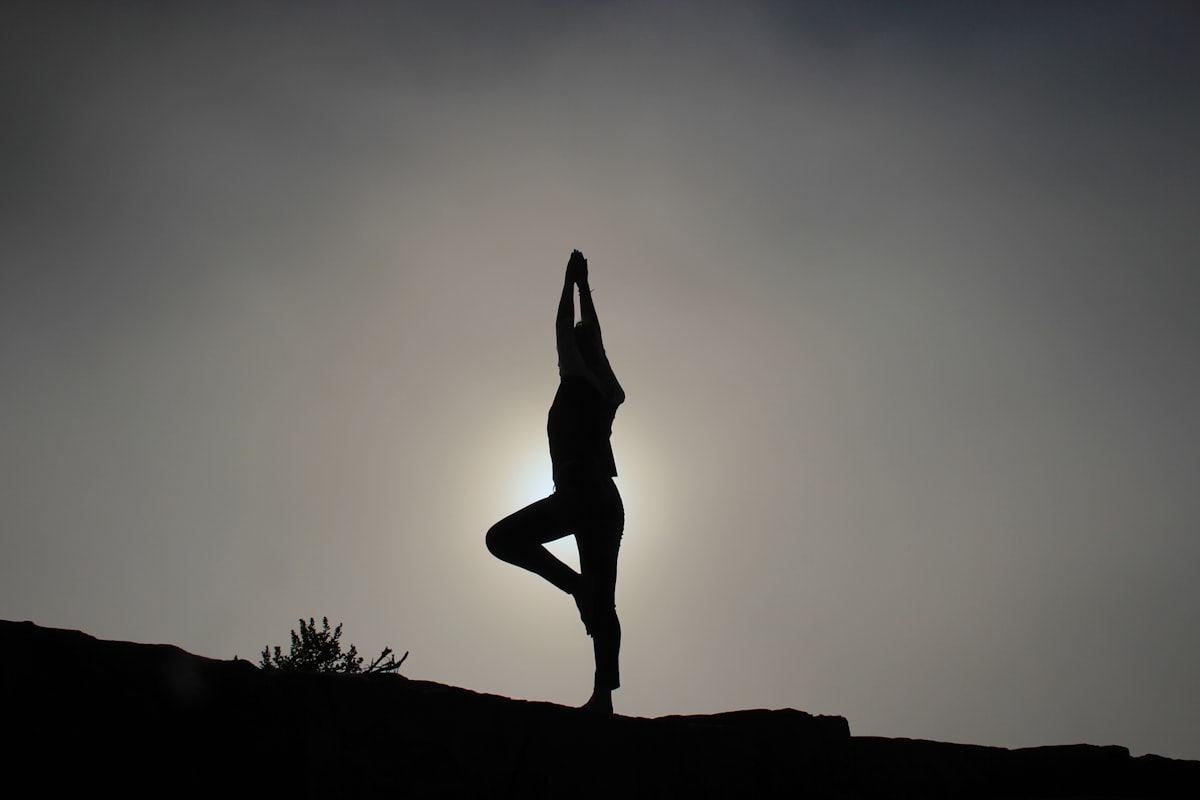
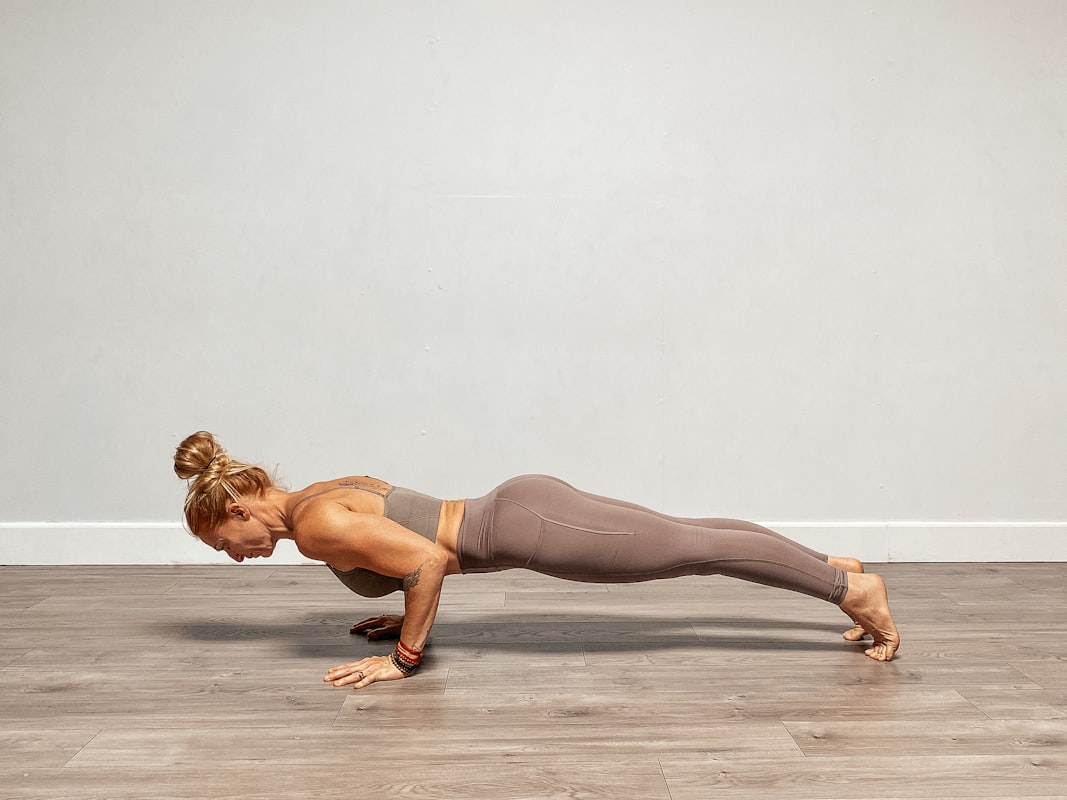
Plank Pose (Kumbhakasana)
The cornerstone of yoga strength. Holds entire body weight, building core, shoulders, and arms. Hold 30–60 seconds and progress to variations.
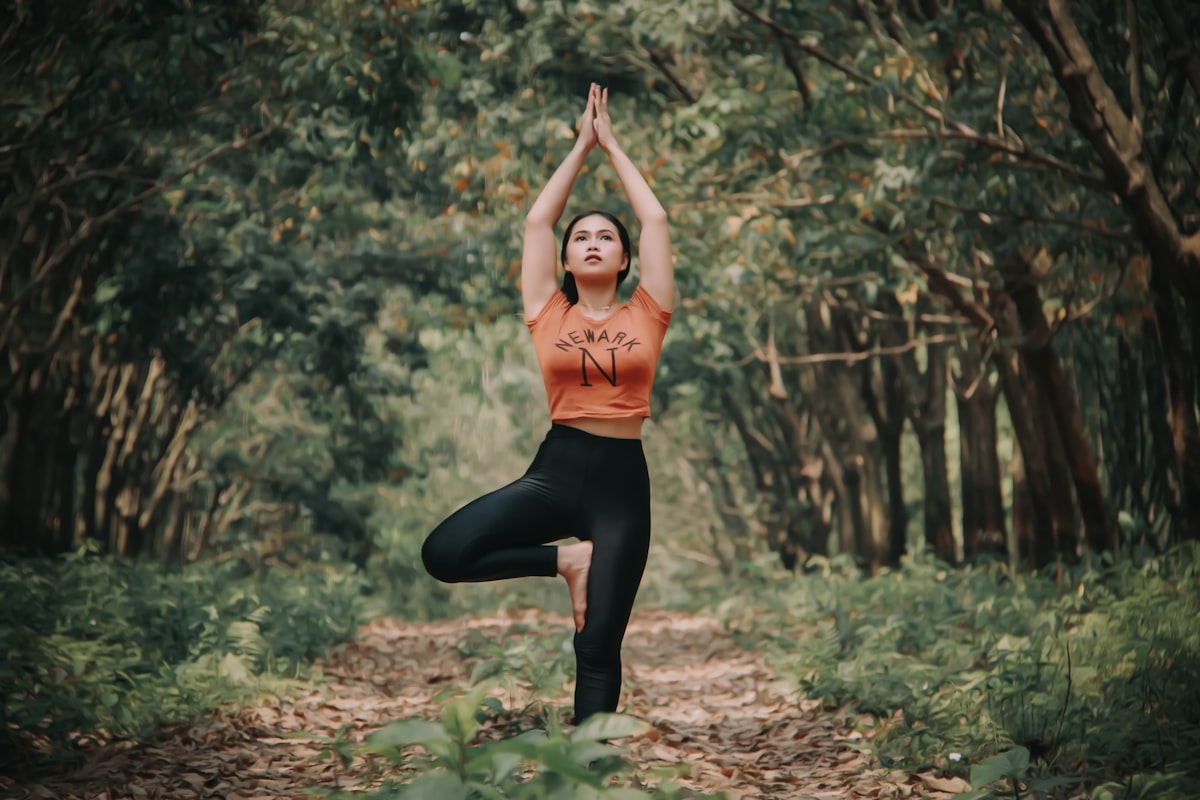
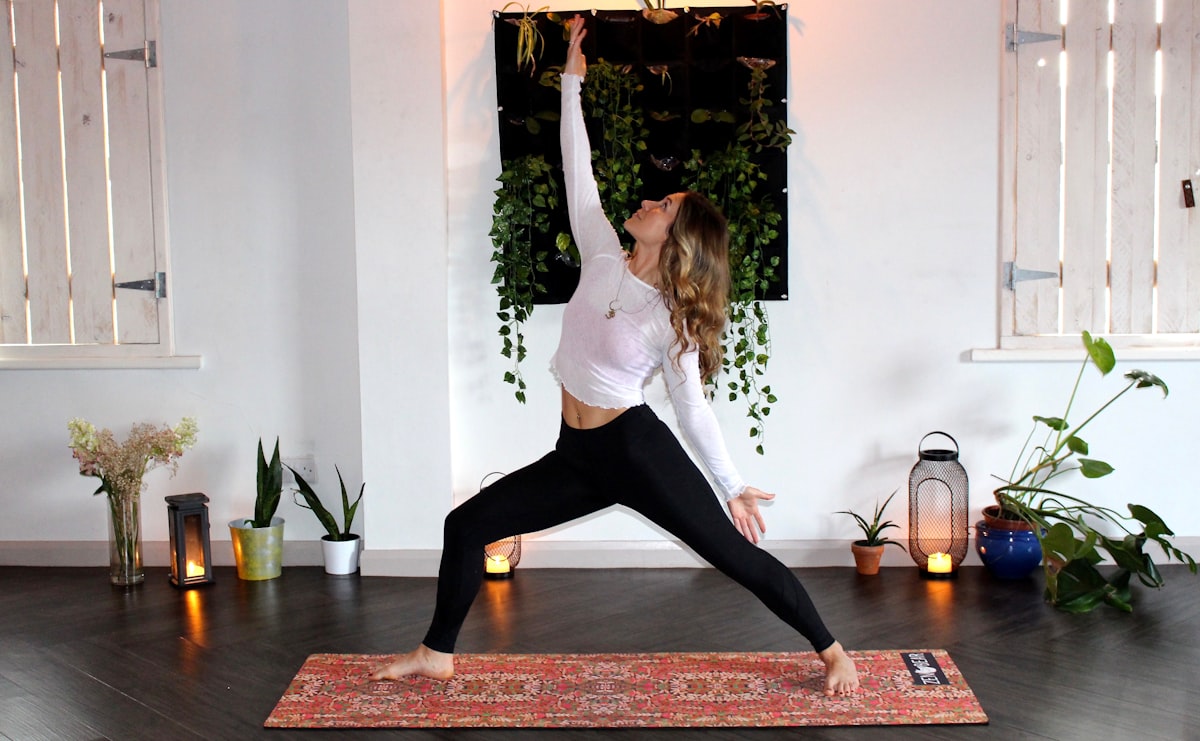
Warrior III (Virabhadrasana III)
Powerful standing pose that strengthens the entire supporting leg and improves balance. Engages glutes, hamstrings, and deep stabilisers.
Chair Pose (Utkatasana)
Intense lower body strengthener targeting quads, glutes, and calves. Builds explosive power and muscular endurance. Excellent for functional leg strength.
Chaturanga Dandasana (Four-Limbed Staff)
The yoga push-up that builds exceptional chest, shoulder, and triceps strength. Requires precision alignment and progressive practice. Foundations for arm balances.
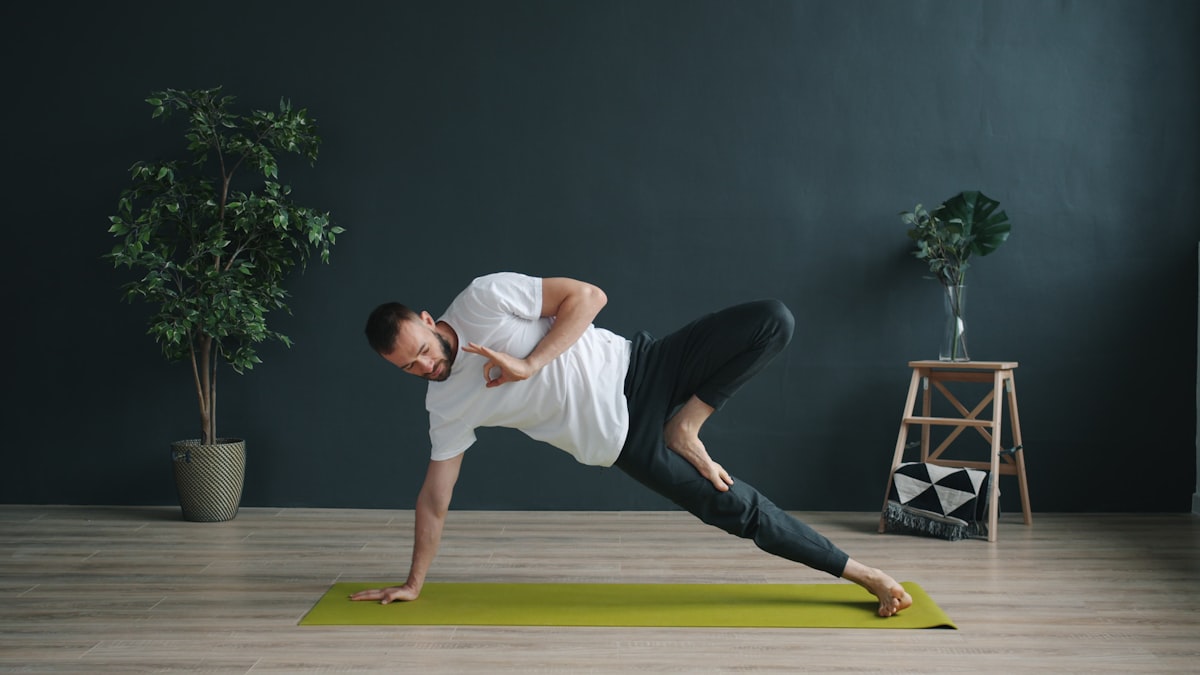
Handstand (Adho Mukha Vrksasana)
Advanced inversion that demands serious upper body and core strength. Builds shoulders, arms, and wrists while improving balance and body awareness.
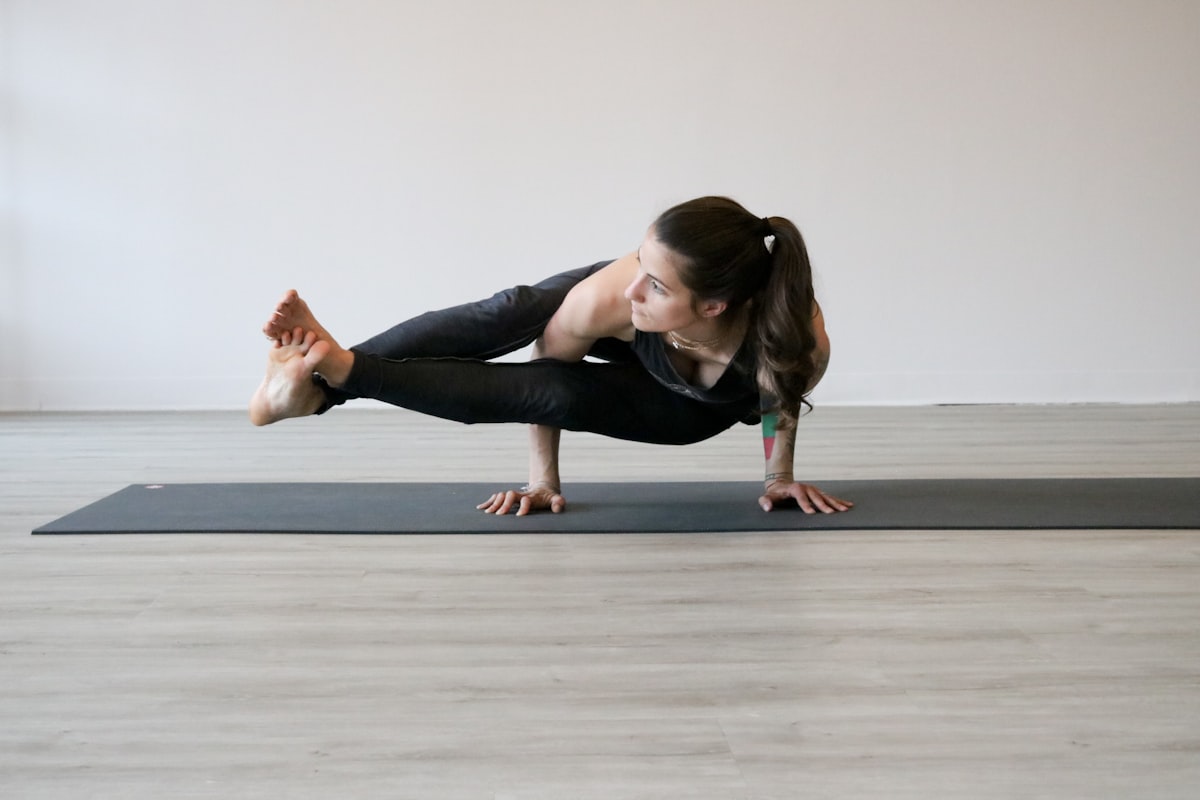
Bridge Pose (Setu Bandha Sarvangasana)
Targeted posterior chain strengthener. Activates glutes, lower back, and hamstrings. Improves posture and prepares body for deeper backbends and strength work.
Real Experiences from Our Community
Practitioners share how yoga has transformed their strength and fitness journey.
"I never thought yoga could build serious strength until I started practising regularly. My core has never been stronger, my posture improved dramatically, and I can hold Plank for over two minutes now. This is real training, not just stretching."
Marcus Thompson
Liverpool, UK
"After an old shoulder injury, I couldn't lift weights anymore. Yoga strength training has been a game-changer. I'm building functional strength safely, and my joints feel better than ever. Highly recommend for anyone recovering from injury."
Sarah Mitchell
Manchester, UK
Frequently Asked Questions
Common questions about yoga-based strength training answered.
Absolutely. Yoga uses your bodyweight as resistance, creating progressive overload through longer holds, more challenging variations, and deeper positions. Many practitioners build lean, functional muscle comparable to weightlifting—without equipment or joint stress. The key is consistent practice and progression over weeks and months.
For strength building, aim for 3–5 sessions per week, each lasting 45–60 minutes. Include at least one rest day to allow muscles to recover and adapt. Consistency matters more than intensity—regular practice over time produces measurable results. Beginners can start with 3 sessions weekly and progress gradually.
Yes, yoga is exceptionally adaptable. A skilled teacher can modify poses to suit any limitation—knee issues, shoulder problems, or back concerns. Inform your instructor about any previous injuries, and they can suggest alternatives. Many people use yoga to build strength while recovering safely. Always work within your comfort zone and progress gradually.
Vinyasa flow, power yoga, and ashtanga are excellent for building strength. These styles combine dynamic movements with body weight resistance to tone and strengthen muscles.
For best results, aim for 3-5 sessions per week. However, even 2-3 sessions weekly can provide significant benefits. Listen to your body and adjust frequency based on your schedule and energy levels.
What Our Community Says
"Corebalanceyogalife transformed my approach to wellness. I've never felt more balanced and strong. The instructors are knowledgeable and the community is incredibly supportive."
Sarah Anderson
Yoga Enthusiast
"I came for the fitness, but I stayed for the mindfulness. The classes helped me reduce stress and improve my flexibility. Highly recommend to anyone seeking balance."
Michael Johnson
Fitness Professional
"The personalized approach at Corebalanceyogalife made all the difference. Within weeks, I noticed improvements in my posture, strength, and mental clarity."
Emma Martinez
Wellness Coach